

“But why? Why would you run that far? Doesn’t it get boring?”
This is a question I’ve heard time and time again, usually followed by the retort, “Couldn’t be me!”
Yes, the elusive why. Why are you out here? Why are you running for hours on end? Why? This is a question that researchers, coaches, filmmakers, and even runners themselves seek to answer. It’s the focus of much of the ultra and trail running literature in sport psychology. It’s the focus of many podcasts, with hosts asking their guests as if there were a single reason everyone could cling to in order to perform exactly like that athlete. It’s also the question ringing through many runners’ minds in New England as we continue to be hit with brutal cold and snow this winter.
It’s an important question. Without a why – an intrinsic purpose that drives runners to train, perform, and continue showing up – it would be significantly harder for trail runners to get out there. Mental performance, or sport psychology as it’s often called, explores concepts like the why. As a mental performance consultant, I want to learn more about topics like motivation and purpose.
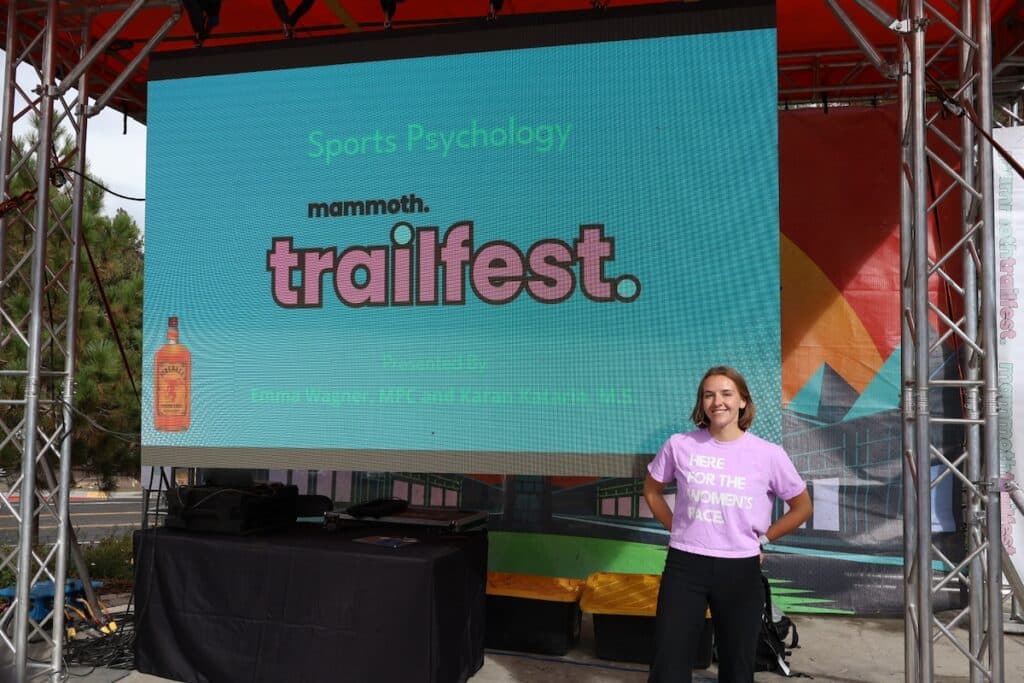
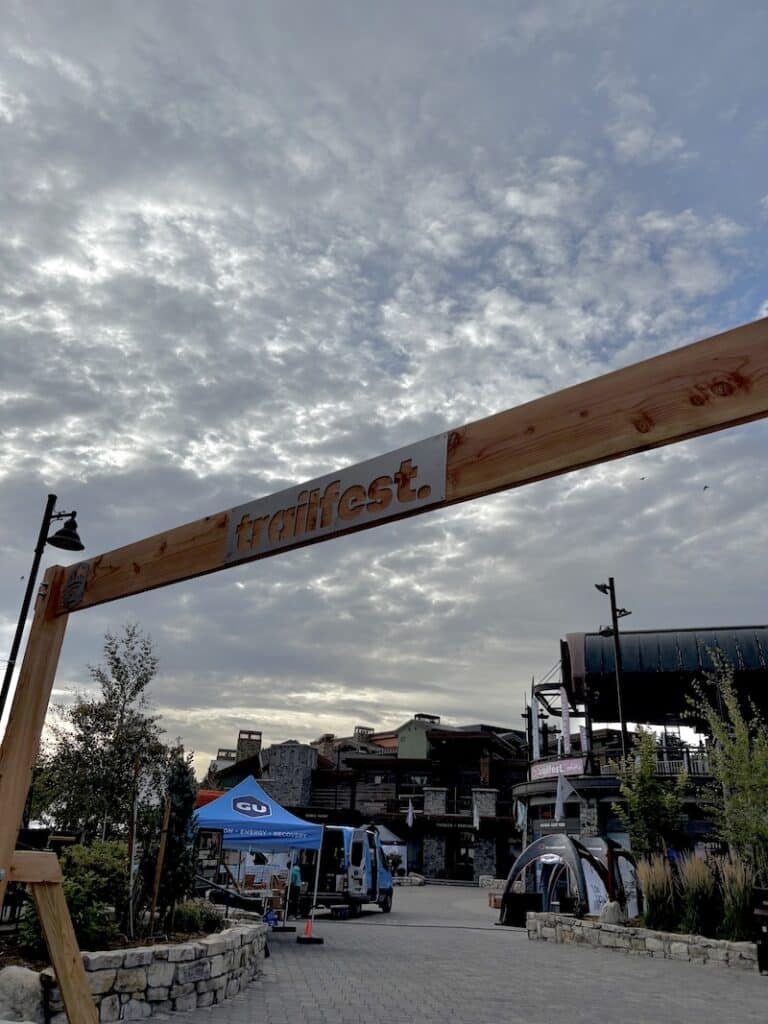
At mammoth trailfest., a trail running festival nestled in the heart of the Eastern Sierras, I combined this personal interest with the knowledge that many runners themselves want to discover, or deepen, their understanding of their why. This workshop, delivered in September 2025, set out to help individuals identify their why and connect it to values in both life and sport. The goal was to help runners operate and motivate themselves from a place of joy, purpose, and intrinsic (internal) drive.
By bringing values into the workshop, runners could visually depict what was important to them – whether that was family, a love of the outdoors, or a desire for community. After their values and why were established or expanded, runners created a word or phrase of self-talk, drawn onto a slap bracelet. This bracelet, worn during running events and throughout the festival weekend, served as a tangible reminder of why they were out there.
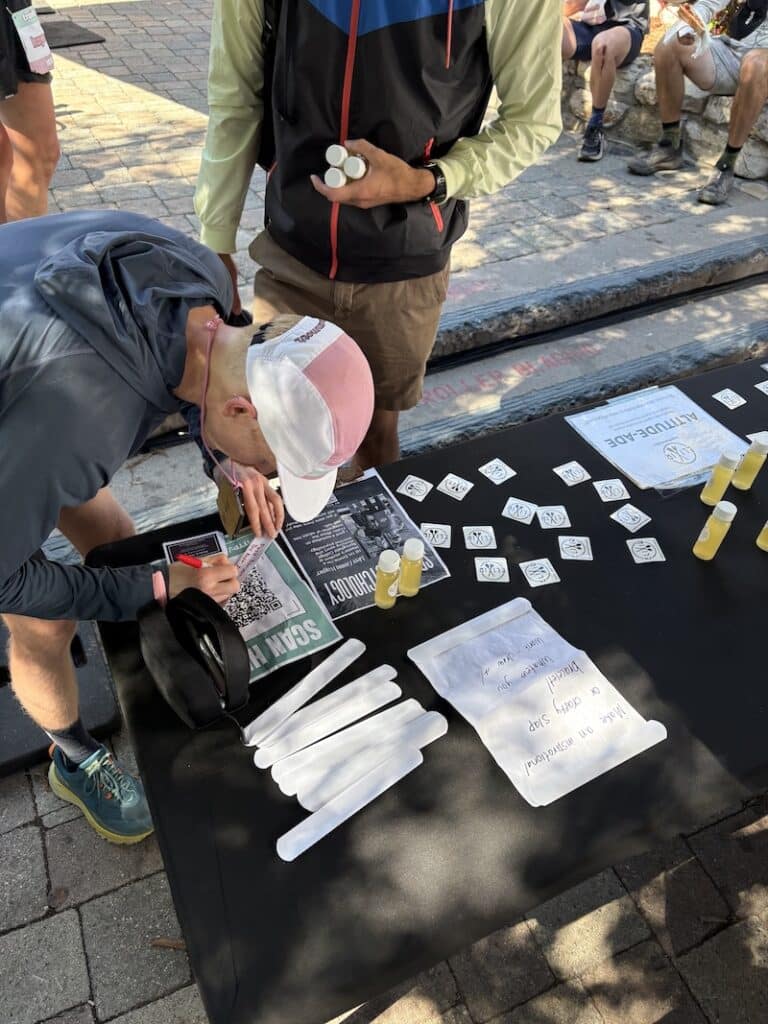
I wanted to understand how this workshop, and mental skills as a whole, could help athletes improve and find joy in their sport. Through delivering the workshop, talking with runners, and tabling in Mammoth Plaza the following day, I found my answer. Runners wanted to learn about mental skills. They knew performance could be left on the table when the mental side isn’t addressed. They had encountered difficult situations and wanted tools to handle them better moving forward.
I also began to understand the why more deeply. People’s reasons varied widely, from wanting to be a good role model for a daughter, to healing their relationship with exercise, to proving to themselves that they could do hard things.
Through this workshop, I gained a clearer understanding of the why, and it directly contrasts with many stereotypes surrounding trail and ultra runners. Not all runners are running scared. They aren’t always running from a dark past, “crazy,” or trying to escape their lives. Teaching mental skills within trail and ultra running communities not only helps athletes improve performance and deepen joy in their sport, but it also challenges non-runners to see us as athletes all the same.
So why should you care about any of this? Because learning mental skills, like discovering your why and cultivating intrinsic motivation, benefits all athletes. Mental skills help you better handle setbacks. They help you identify supportive, facilitative relationships that encourage growth. They help you get out the door. They help you find deeper purpose. They help you connect with yourself, your community (like a local Trail Sisters group), and the natural world around you.
Run the miles, but don’t forget to train the mind that carries you through them.