

Eleanor Roosevelt once said, “Learn from the mistakes of others. You can’t live long enough to make them all yourself.” Life is about learning from the mistakes of others and our own. Running the past 20 years with chronic illness has taught me the importance of advocating for myself, managing symptoms, and finding ways to thrive. These lessons did not come quickly or easily, but they have shaped me.
For context, I recently leveled up into a new age bracket and can proudly announce, “I’m 40.” Sandra Cisneros writes in “Eleven” about birthdays and what it means to become a new age. Beautifully, she reminds us that we are not just the number we turn, but a collection of all the ages we have ever been. At 40 I still carry all 38, 25, 18, and 13 with me, all rolled into who I am today. The chronic illnesses that have shaped my journey include: anemia, celiac disease, and endometriosis. I would love it if you have never heard of these or were not impacted by them, but the reality is they impact many people; especially women.
If you’re familiar with these conditions, feel free to skip ahead. If these are new terms, here is a brief introduction. Anemia is a condition where the red blood cells are unhealthy and iron levels are low. Celiac disease is a genetic autoimmune disease that damages the small intestine’s villi and prevents the body from absorbing nutrients. Endometriosis is a chronic disease with symptoms that include severe pain during menstruation, heavy menstrual bleeding, chronic pelvic pain, infertility, and abdominal bloating, and nausea. With endometriosis, uterine tissue grows outside of the uterus, causing inflammation and extreme pain as it responds to the menstruation cycle.
Many of these symptoms and conditions sound familiar to cis women athletes. Runners are pretty adept at noticing how our bodies respond to training. Iron is essential for performance, yet my body was not absorbing iron or other nutrients because my villi were damaged by celiac disease. Like many women, my heavy and painful periods were dismissed for more than ten years. I was told this was normal because of my family history, and that my low iron levels were simply attributed to my running. It was beyond frustrating living with low iron and never receiving an answer as to why my iron was low. Repeatedly, I heard, “You are a female. You are a runner. This is common.”
This dismissal started in high school and continued well until my thirties. Life, however, does not pause for illness or injury. I went off to college, took 18-23 credits a semester, worked 30 hours a week, trained for my first half marathon. In my twenties, I graduated college, started teaching full time, got married, and began my master’s degree. By my thirties, I was still struggling with iron levels and had two healthy babies. During all of that time, nothing raised my iron levels long term except three separate iron infusions.
At 37 years old in 2022, I hesitantly told my nurse practitioner that my legs, specifically my shins, sometimes hurt when I was driving or in bed. As runners, we know the difference between shin splints and other pain, and it was not that. She pressed on my legs and noticed swelling and inflammation. Blood work was ordered and my inflammation markers came back extremely high. Further testing confirmed celiac through blood work, an endoscope, and colonoscopy. My villi were damaged. It was finally obvious why my low iron levels remained so low.
Adopting a gluten-free diet, meaning absolutely no wheat, barley, malt, or rye was one of the best things I have ever done for my body, even in a pasta carb-loving sport! I experienced less inflammation pain, less fatigue, and less brain fog. I had relief until I did not.
In 2023, at 38 years old I had enjoyed bouts of relief and better management of my health, but my periods were still unbearable. I was bleeding through ultra plus tampons in less than an hour, passing clots the size of golf balls, swaying in my training from being able to do 6-8 mile speed workouts one day to hardly being able to walk a few days later. It felt like I was pregnant and had a bowling ball suspended from my pelvis. The hormonal fluctuations of my cycle dictated what I could or could not do in my daily life.
The turning point of relief came in October of 2023 when I had excision surgery that removed the endometriosis tissue. Exploratory surgery is currently the only way to definitively diagnose endometriosis. Recovery was slow, but it led to my strongest and most sustained training blocks of my life. I had amazing personal bests from 2023-2025.
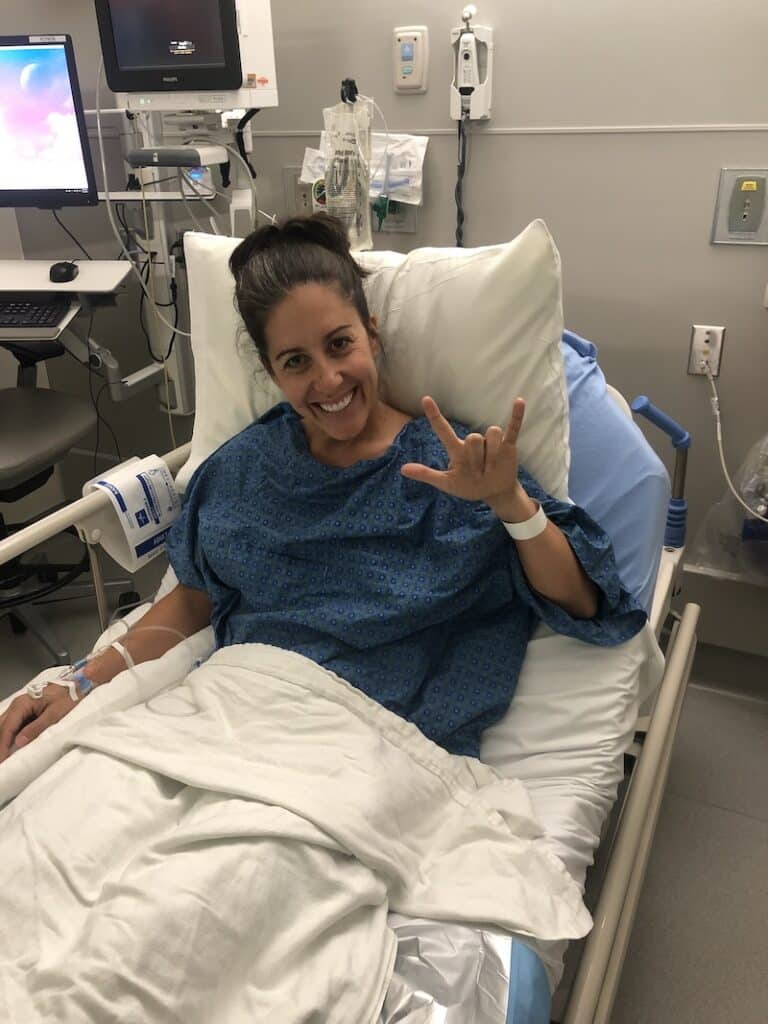
Unfortunately, I’m back in the process of diagnosing chronic pain that has me happy to run an easy three miles. This season of pain feels different because I can apply what I have learned since I was 18. I am advocating harder for myself, managing symptoms better, and am more intentional about what thriving truly means. What follows is what I wish my younger self had known and what I hope you never have to navigate alone.
I wish I had known earlier that I know my body better than any medical provider. Please, please advocate for your needs. Advocating for yourself matters. Even when you are unsure what you need, stress to your medical providers how your symptoms are affecting your quality of life and impeding your ability to live a fulfilling life. Our bodies are resilient and act in incredible ways to protect us. In that, our pain thresholds rise and we become blind to the chronic pain we are living in. That, my friend, is not normal. Advocacy may look like making an appointment, calling repeatedly for answers, requesting lab work, or asking for further testing. You do not need a medical background to read about symptoms or permission to join online support communities. These resources and tools exist to inform and empower you.
Managing symptoms during the hard seasons can feel like a part or full time job. Again, use the resources that are helpful, sustainable, and available to you. Heating pads, ice packs, elevated legs, unapologetically sitting or standing in a situation, acupuncture, massage, heat therapy, sleep, vitamins, and over the counter pain medication can all have a place in getting you through your pain. Saying no is also a valid form of care. These tools may not be what you want, but they can carry you through to the other side. Support throughout these seasons matters, too. Solidarity, community, and shared experiences help us feel connected. Seeking out support groups in person, in larger online communities, or with a trusted person can really benefit us mentally.
Perhaps the hardest lesson has been redefining what thriving looks like. Thriving shifts with each season and requires mental flexibility. It is difficult to move from chasing big goals to celebrating a walk that does not hurt. Running is an amazing gift, but sometimes, sleep is the most powerful form of recovery or care. Switching from big goals to celebrating a solid night’s sleep in a mental game. Running, illness, and injury strengthens our mental game. That same strength transfers from our running world, to our setbacks, and to our personal lives. We’re constantly training. The training just looks different sometimes.
If you are in a season of illness or injury, I wish you nothing but the best. Continue advocating for yourself, manage your symptoms the best you can with what you have, and seek ways to thrive in new ways. Support yourself. Celebrate where you are. Best of luck, and I hope to see you on the trails soon.



One Response
Thanks for writing about your experience, Abbey! And I hope you find relief soon for your current symptoms.
After decades of trips to the ER for severe pain, only to be told “we can’t find anything” each time, it was finally suggested to me that I could have a condition called “endometriosis” when I was 36 years old.
Last year, I had two surgeries to remove endometriosis, and am so thankful to be mostly pain free. The last 6 months have been focused on bringing my nutrient levels back within normal range, and I am so excited to start running again (this month)!
Pain is a sign that something is wrong – it is not normal to feel pain – so for any sufferers out there, keep pushing for answers even if well intentioned medical professionals tell you they can’t find anything. Your future self will thank you.