

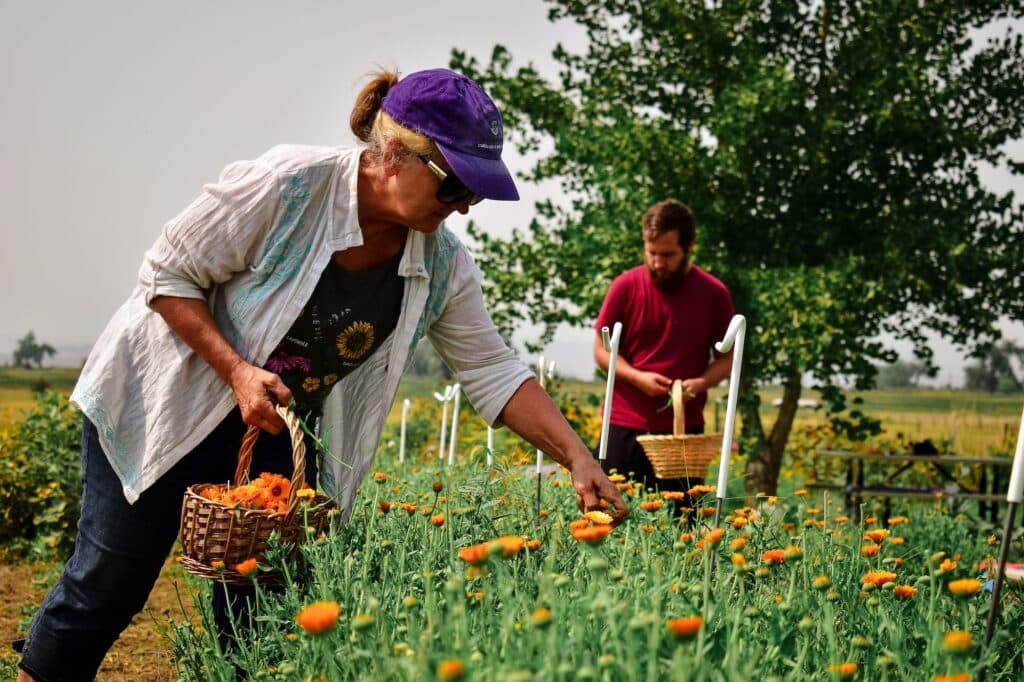
If your lifestyle involves being outdoors, have you thought about what that time outside is actually doing to your skin?
As women who hike, bike, snowshoe, ski, and generally refuse to stay indoors, we’re exposing ourselves to some powerful environmental forces, and we rarely think about the effect on our skin.
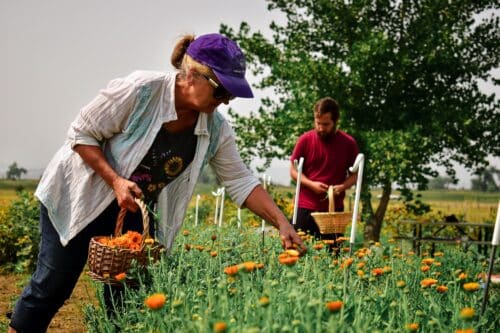
I spend a large portion of my summers outside farming, and I also love to hike, and cross-country ski. Over the years, I’ve learned a lot about what is happening to skin outdoors and then how to help revive that skin. Healthy skin doesn’t have to mean staying in the shade.
There are five main weather elements that damage skin: UV light, lack of humidity, wind, temperature, and altitude.
Ultra Violet Light (UV)
Both UVA and UVB light creates free radicals that cause oxidative damage to skin cells and molecules. UVB is mostly associated with sunburn, inflammation, and skin cancer. UVA light is the most prominent and penetrates deeper into the dermis of the skin where it causes significant damage to this lower layer of skin.
Free radical damage in the skin can result in the breakdown of collagen and elastin, the proteins that keep skin firm and supple, leading to deep wrinkles and loss of elasticity. This is what drives photoaging. It can also cause inflammation, hyperpigmentation (dark spots), a yellowed or thickened skin appearance, and the formation of small, visible dilated blood vessels around the nose and cheeks, known as telangiectasiae.
Here’s something worth knowing: even if you wear sunscreen, UV light can still damage your skin without causing a visible burn. Many sunscreens focus primarily on blocking UVB and offer limited protection against UVA. Be sure to look for a broad spectrum sunscreen.
Wind
Wind can literally strip away the stratum corneum, your skin’s outermost protective layer. Along with that goes your sunscreen, your skin’s natural lipids, and a key part of your skin barrier function. Without that barrier, skin loses moisture more rapidly, leading to dehydration, dryness, and eventually cracking and fissures that can increase the risk of infection. This type of extreme dryness is called xerosis. If you’ve spent a long day outdoors in a stiff breeze you know that tight, parched feeling from the wind.
Temperature
Temperature affects blood flow to the skin. Heat increases circulation to help the body disperse warmth, and it also speeds up cellular metabolism. This can increase oxidative damage and accelerates skin aging. Rapid temperature changes, like repeatedly moving between cold air and a warm lodge, can cause tiny capillaries in the face to break.
Cold temperatures, while uncomfortable, are generally gentler on the skin than heat. That said, prolonged extreme cold can lead to frostbite or chilblains, painful itching and swelling caused by cold exposure. And don’t forget: snow reflects UV light, amplifying sun exposure even on overcast winter days.
Altitude
For those of us in Colorado, altitude is a daily reality. High elevation puts us physically closer to the sun, intensifying UV exposure. Lower oxygen levels at altitude may also reduce the amount of oxygen delivered to skin cells, potentially causing hypoxia-related cell damage. Think of altitude as an amplifier, it turns up the volume on other elements on this list.
What You Can Do: Skincare Ingredients That Matter
There’s a lot we can do to support our skin before, during, and after outdoor adventures. When choosing skincare products, look for ingredients that deliver antioxidants and anti-inflammatories, support collagen and elastin, restore the skin barrier, and help the skin retain moisture.
Collagen and Elastin Support
Vitamin C is essential to the body’s collagen-making process and supports elastin production too. Look for a stable ester form of vitamin C in skincare products. Getting vitamin C in your diet is also good.
Green tea helps prevent collagen breakdown and offers excellent antioxidant protection both topically and when consumed as a beverage.
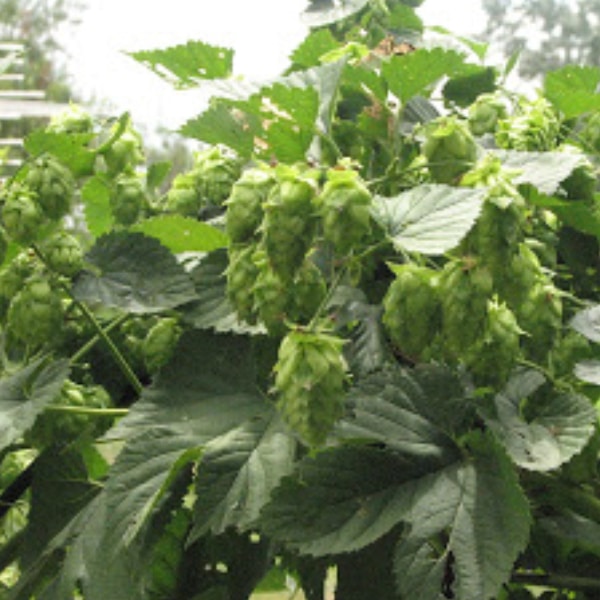
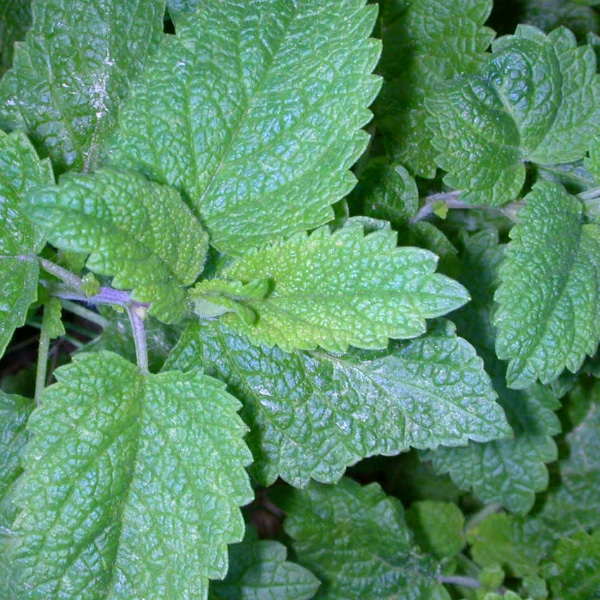
Many herbs are able to support collagen and elastin too. Calendula (Calendula officinalis), rich in skin-loving carotenoids, is one of the most widely used herbs for skin support and has been shown to aid wound healing. Hops and lemon balm can also provide collagen support.
Palmitoyl Tripeptide-5 is a green-chemistry cosmetic peptide shown to boost collagen and reduce wrinkles.
Alpha lipoic acid is both an antioxidant and a collagen stimulator that helps reduce inflammation.
Antioxidants
Antioxidants help neutralize free radicals and protect the skin from ongoing damage. This is true both topically and in the diet. Key antioxidants to look for in products include Vitamins C and E (tocopherols), alpha lipoic acid, green tea extract, and herbal flavonoids found in calendula, rosemary, parsley, lemon balm, mint, and raspberry leaf.
Moisturizing
After a day outside, your skin barrier has taken a beating and needs help holding onto moisture. Humectants like glycerin and hyaluronic acid draw water into the skin and help it stay there. Niacinamide is a works to both repair the skin barrier and boost hydration as well as decreasing inflammation. Herb-based moisturizers containing calendula, lemon balm, or fennel are also excellent choices for restoring moisture and soothing stressed skin.
Being outdoors is one of the great joys of life, it doesn’t have to come at a steep cost to the health of your skin. With the right knowledge and the right products, you can keep adventuring and keep your skin healthy doing it.